


Mango Languages Learning
4.86.77K Reviews
App Specs
- Version
- 8.84.0
- Updated On
- License
- Free
- Downloads
- 1,000,000+
- Developer
- Mango Languages
- Categories
- Education
- Platform
- Android, iOS
Screenshots
 Analysis by AppCompare
In my first week with Mango Languages, the strongest appeal is how quickly it puts a learner into the rhythm of a spoken exchange. I can see why that feels more inviting than opening a grammar reference or facing a long vocabulary list: there is a voice to listen to, a phrase to try, and a situation that gives the words a purpose. That conversational starting point makes it easier to return for another short session while the app still feels new.
The first-week experience is most useful when I treat it as a guided introduction rather than a promise of instant fluency. I would choose one language and follow its lessons in order, giving myself time to hear and repeat each phrase instead of racing through screens. Replaying a line before moving on can reveal sounds I missed on the first pass, and speaking aloud makes the practice more active than silently recognizing a phrase. The app is a practical way to begin, but progress still depends on regular attention and willingness to use your voice.
A realistic use case is preparing for a trip without pretending a few lessons will replace conversation with locals. I might practise greetings, polite requests, and phrases for routine encounters during coffee breaks in the weeks before leaving. That gives me something approachable to work on and a better chance of recognizing familiar wording when I hear it. I would use the lessons to build a starting point, then look for real opportunities to speak; the app is practice, not a substitute for the unpredictability of a live exchange.
Why the first lessons feel approachable
The conversational format also suits people who have tried language study before and lost momentum in lists of rules. Starting with a situation gives a phrase a job to do, which can make a new expression easier to remember than an isolated translation. I would still expect grammar to matter, but Mango’s opening emphasis feels like a way to get comfortable hearing and producing the language before asking myself to analyze every construction.
Its publisher, Mango Languages, focuses this education app on language learning. It is free to install, carries an Everyone age rating, and has a 4.8 average from around 23,000 ratings, alongside more than 1 million installs. Those figures suggest a sizable audience, but I would judge whether it suits me by the lesson style and the language I want to study, not by popularity alone.
Getting Started with Mango Languages
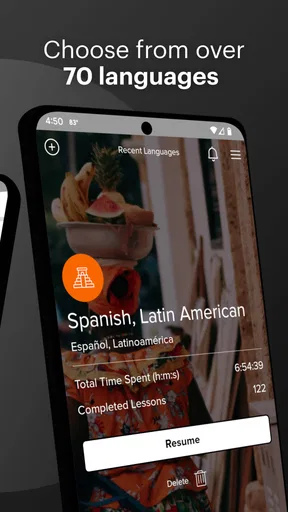
The first thing I noticed about Mango Languages is how user-friendly it is. Setting up an account is a breeze, and before you know it, you're diving into lessons. The app offers an impressive variety of languages—over 70, to be exact. Whether you're interested in Spanish, French, Mandarin, or something less mainstream like Icelandic, Mango has you covered.
Once you've selected your language, the app guides you through a personalized journey. The lessons are structured in a way that feels intuitive and engaging. The interface is sleek and modern, making it a joy to navigate. It's like having a mini language tutor right in your pocket.
Worth Reading Before You Choose

EA SPORTS FC Mobile 26 Is a Bigger Football Game, but It Takes Time

Flipboard Shows What News Apps Must Do Beyond the Feed

Switching to Android Auto Means Rethinking Your Driving Routine

Google Calendar Makes a Crowded Week Easier to Manage

Ludo King Makes the Most of the Minutes Between Plans

Baby Panda World Brings Quick Play to Modern Phones, but Its Game Library Feels Busy
Interactive and Engaging Lessons
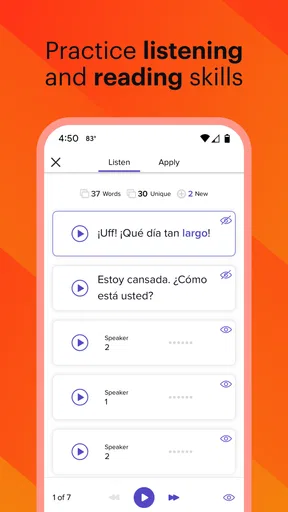
What sets Mango apart is its focus on conversation skills. Rather than inundating you with grammar rules right off the bat, it immerses you in practical, real-world conversations. This approach makes learning feel more organic and less like a chore.
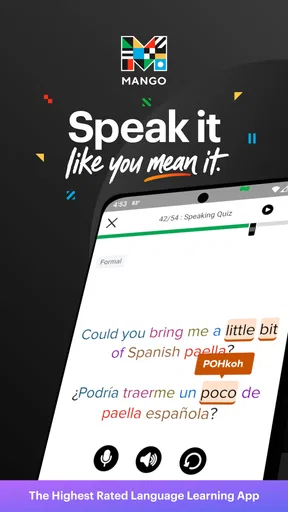
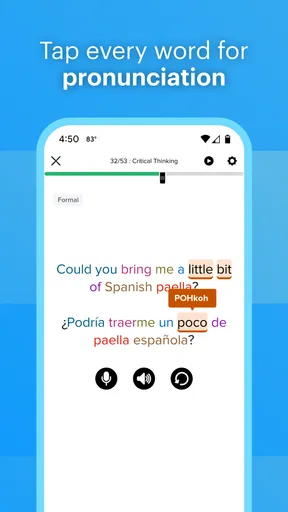
Each lesson includes audio from native speakers, so you're not just reading words on a screen—you're hearing them. This audio component is crucial for picking up correct pronunciation and understanding the nuances of the language. Plus, the app encourages you to repeat phrases aloud, which is perfect for practicing your speaking skills.
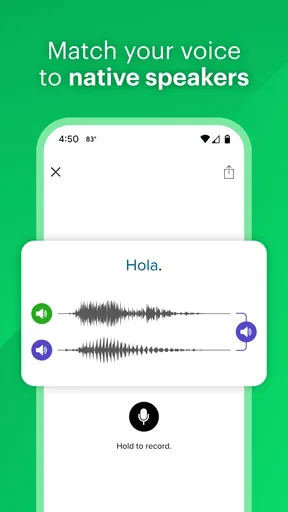
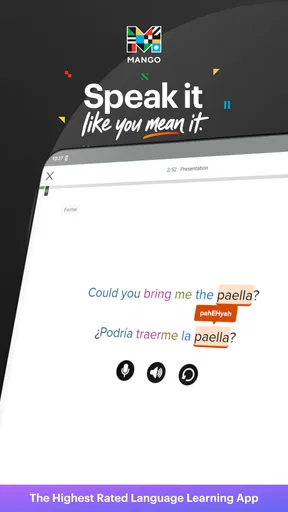
Another cool feature is the voice comparison tool. You can record your voice and compare it to the native speaker's pronunciation, which helps fine-tune your accent. It's like having a coach giving you instant feedback.
To get more from the speaking practice, I would repeat a phrase once for its meaning and again for its sound. Then I’d compare my recording with the speaker’s model, listening for one detail at a time—perhaps a vowel or the stress of a phrase—rather than trying to perfect everything in one attempt. That makes the comparison more actionable: it becomes a cue for what to listen for on the next repetition, not a verdict on whether I have a “good” accent.
There is a trade-off here. Repeating and recording phrases is valuable practice, but it does not recreate the give-and-take of a conversation where another person responds unexpectedly. I would pair the lessons with low-pressure speaking outside the app when possible, even if that means reading a phrase aloud from memory or trying it with a language partner. If my main goal were spontaneous conversation, I would treat Mango as one part of a study routine rather than the whole routine.
Cultural Insights
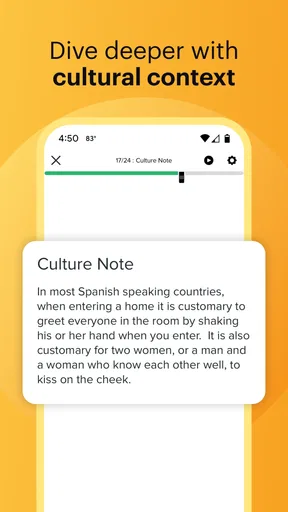
One of the unique aspects of Mango is its incorporation of cultural notes throughout the lessons. These tidbits provide context and depth, helping you understand not just the language, but also the culture behind it. It's like getting a mini cultural lesson along with your language practice.
These insights range from understanding local customs to learning about historical events that shape the language today. It’s not just about speaking correctly; it’s about appreciating the culture you’re engaging with.
For me, cultural context is most useful when it changes how I interpret a phrase or a social situation, rather than when I treat it as extra reading to complete. I would pause at a note, connect it to the conversation I just heard, and then continue. That small habit helps keep the context attached to language practice. It can also make lessons feel less like memorizing lines and more like learning how a real exchange might work.
Flexible Learning Options
Mango Languages is designed for flexibility, making it easy to fit language learning into your busy schedule. Whether you're commuting, working out, or just sipping coffee at home, the app’s lessons are crafted to be done anywhere, anytime.
The app also syncs across devices, so you can seamlessly switch between your phone and tablet without losing progress. Plus, with offline access, you can download lessons to study even when you’re off the grid.
Those options are useful when a routine changes from day to day. I might listen while travelling, then use a quieter moment at home to repeat phrases aloud and compare my pronunciation. Offline access is especially handy for a journey with unreliable connectivity, but I would download lessons before leaving rather than assume I can prepare once I am already offline. A phone session can fit into a small gap; a tablet can make a longer practice session more comfortable.
I would avoid turning every spare moment into a lesson, though. Listening while distracted may create the feeling of study without much recall, and speaking practice is awkward in some public settings. A better routine is to pick a time when I can pay attention and say at least a few phrases clearly. The convenience matters because it reduces the effort of starting, not because every setting is equally good for learning.
Who Is Mango Languages For?
This app is perfect for anyone from absolute beginners to those looking to brush up on their skills. It’s particularly great for travelers who want to pick up essential phrases before heading to a new destination. The lessons are practical and focused on real-life usage, which is ideal for quick learning.
For students and professionals, Mango offers a way to continue learning even with a packed schedule. The bite-sized lessons mean you can practice a little every day without feeling overwhelmed.
I think it is a particularly good fit for learners who want to hear a language spoken and are willing to practise aloud, as well as for people who prefer guided lessons to building a syllabus from scratch. It may also work well as a companion to a class: a learner can use the conversational material for listening and speaking practice, then use class time or a reference book to ask deeper questions about grammar.
It is less compelling for someone who wants a course built around extensive grammar explanations, detailed writing exercises, or open-ended conversation with a human tutor. In those cases, a textbook, classroom, tutor, or a dedicated speaking exchange may fill the gap better. I would also be cautious if I only want to collect a few tourist phrases and will not make time to revisit them; a compact phrase reference can be faster for that narrow purpose.
How it fits beside other study tools
Compared with flashcard-first language apps, Mango puts more emphasis on hearing and repeating phrases in context than on reviewing isolated word prompts. That can make it feel more natural for someone whose immediate aim is to follow and take part in everyday exchanges. Flashcards can be stronger for deliberate vocabulary review, while a structured grammar course may make sentence patterns easier to analyze. I would choose based on the work I actually want to do, rather than expecting one app to cover every learning style equally well.
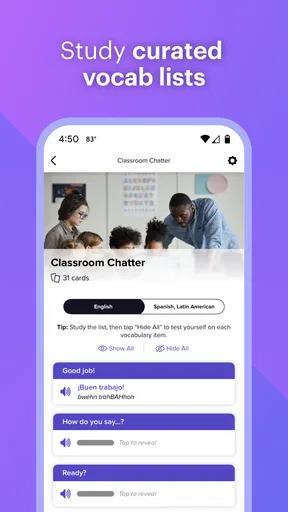
A useful combination is to let Mango provide the spoken model, then keep a small personal list of phrases that I repeatedly forget. I can review those separately without interrupting the lesson flow. Another practical choice is to finish a session by trying to recall the main exchange before replaying it. That quick self-check helps me notice whether I learned the phrase or merely recognized it while the audio was playing.
Month-to-month value and the habit test
The lasting value of a language app is less about how polished the first session feels and more about whether it continues to give me a reason to practise after the initial curiosity fades. Mango’s conversation-led lessons offer a clear recurring task: listen, understand, repeat, and return to the material. That is a useful structure for steady study, though it still asks me to set my own pace and protect a little time for it.
For a month-to-month routine, I would attach a lesson to something already stable, such as a quiet coffee break or the start of an evening wind-down. I would also decide in advance what counts as a worthwhile session: completing or revisiting a manageable piece with attention, not simply opening the app. This keeps the habit realistic on busy days and makes it easier to resume after a missed session without treating one interruption as failure.
The app is free to download, while in-app purchases range from under a dollar to just under two hundred dollars per item. I would check the available options and what access they provide before committing to a purchase, then compare that commitment with how often I expect to use the lessons. That matters particularly for a learner still testing whether conversational practice suits them: it is sensible to try the study style first and make a decision based on a routine they can actually maintain.
What can wear thin, and how to reduce the friction
Repetition is both the method’s strength and a possible source of fatigue. Rehearing a phrase can help it stick, but if I rush through the same pattern without a purpose, practice starts to feel mechanical. I would change the task slightly on each pass: first listen for meaning, next speak along, then try to recall the phrase before listening again. That gives repetition a specific job and makes it easier to tell whether I am improving my recall.
Another possible friction is that a guided sequence can feel less flexible than a learner’s own questions. If I am studying for a particular conversation, I may want vocabulary the current lesson has not reached yet. I would write that need down rather than abandon the course, then look for a suitable reference or practice opportunity alongside it. Mango is most useful when I let its lesson structure provide continuity without expecting it to anticipate every personal goal.
Version 8.71.0 is the current release, and the app has been available since April 18, 2012. I see that long presence as context, not a guarantee that the learning approach will suit every person. What matters in daily use is whether its available lessons match the language and level I want, and whether I return to them often enough for the spoken practice to add up.
Final Thoughts
Overall, I was thoroughly impressed with Mango Languages. It manages to make language learning fun and accessible, which is no small feat. The app’s engaging lessons, combined with its cultural insights and flexible options, make it a standout choice for language learners.
If you’re ready to embark on a new linguistic adventure, give Mango a try. Who knows, you might find yourself conversing fluently in a new language sooner than you think!
My more measured recommendation is to give it a place in your routine if spoken, practical language is what keeps you interested. Its audio, repetition, pronunciation comparison, and cultural notes provide several reasons to return beyond the novelty of choosing a language. I would not rely on it alone for every goal, and I would not pay for access before deciding that its lesson style fits me. But if I can make room for consistent practice and use it as a foundation rather than a complete substitute for real conversation, Mango Languages can earn lasting space on my phone.
Pros
- Intuitive interface makes navigation easy.
- Offline access for learning on the go.
- Wide range of languages available.
- Cultural notes enhance language context.
- Speech recognition aids pronunciation.
Cons
- Subscription required for full access.
- Limited free content available.
- Some languages lack advanced levels.
- Occasional app crashes reported.
- No option for live tutor sessions.
FAQs for Mango Languages Learning
What languages can I learn with Mango Languages?
Mango Languages offers a wide variety of languages, including popular ones like Spanish, French, and German, as well as less common options such as Icelandic, Hawaiian, and Cherokee. The app provides over 70 languages in total, catering to diverse learning interests and needs.
Is Mango Languages suitable for beginners?
Yes, Mango Languages is designed for learners at all levels, including beginners. The app starts with foundational lessons that introduce basic vocabulary and grammar, gradually increasing in complexity. The user-friendly interface and structured lessons make it easy for new learners to get started.
Can I use Mango Languages offline?
Mango Languages allows users to download lessons for offline access. This feature is particularly useful for those who want to practice while traveling or in areas with limited internet connectivity. Simply download the desired lessons in advance and access them anytime without an internet connection.
Does Mango Languages offer cultural insights?
Yes, Mango Languages goes beyond traditional language instruction by incorporating cultural insights into its lessons. The app provides context about customs, traditions, and etiquette, helping learners to better understand and engage with the cultures associated with the languages they are studying.
Is there a free version of Mango Languages?
Mango Languages offers a free trial that allows users to explore its features and lessons. However, to access the full range of languages and lessons, a subscription is required. Some libraries and educational institutions offer free access to Mango Languages, so it's worth checking local resources.


